Mousai Wellness Center

Urine Organic Acid Test (UOA) via Urine Analysis to Assess Metabolic and Biochemical Processes in the Body

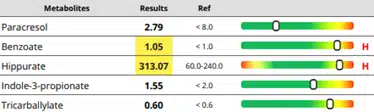
While still relatively new in Thailand, the Urine Organic Acid Test has gained popularity among international clients—especially those managing conditions like ADHD or recovering from cancer. At Mousai Wellness Center, this test is frequently used to uncover subtle imbalances, with Dr. Big offering detailed, case-specific insights for each individual.

This non-invasive test provides a comprehensive look at cellular metabolism, neurotransmitter activity, detox pathways, and gut microbiome health. It helps identify imbalances across systems, offering a window into your body’s internal communication and energy dynamics.

What Are Organic Acids?

Organic acids are compounds produced during the various anabolic (building) and catabolic (breaking down) processes that occur within the body’s systems. They serve as precursors to proteins, fats, carbohydrates, and other substances that make up cells, tissues, and organs, as well as secretions, enzymes, and by-products of these metabolic processes.

What Is a Urine Organic Acid Test?

The Urine Organic Acid Test is used to assess how effectively the body utilizes nutrients that have been broken down through digestion. It reveals whether nutrients are being processed efficiently and whether any deficiencies or imbalances are interfering with optimal function.

This test examines four essential systems in the body:

ขอบคุณข้อมูลจาก : Thaicellfix

What Can You Learn from the Test?

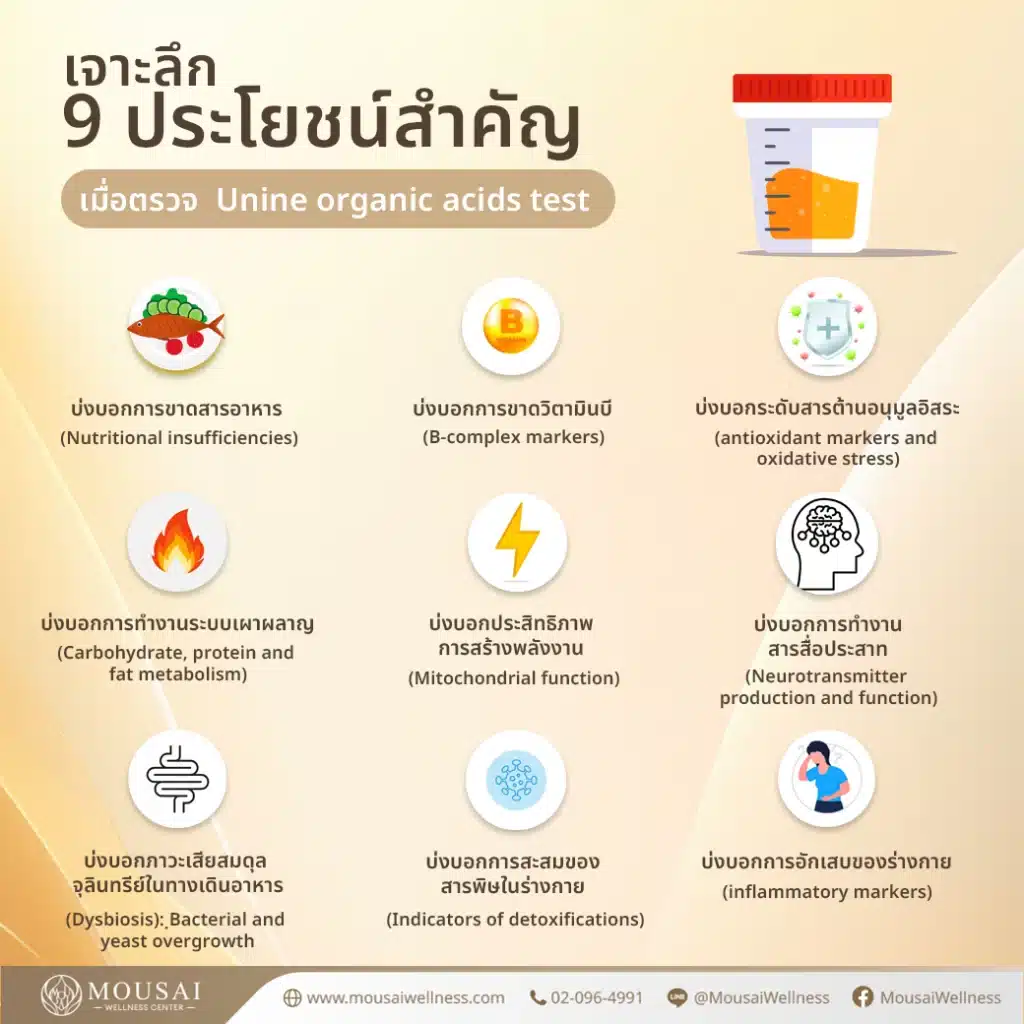
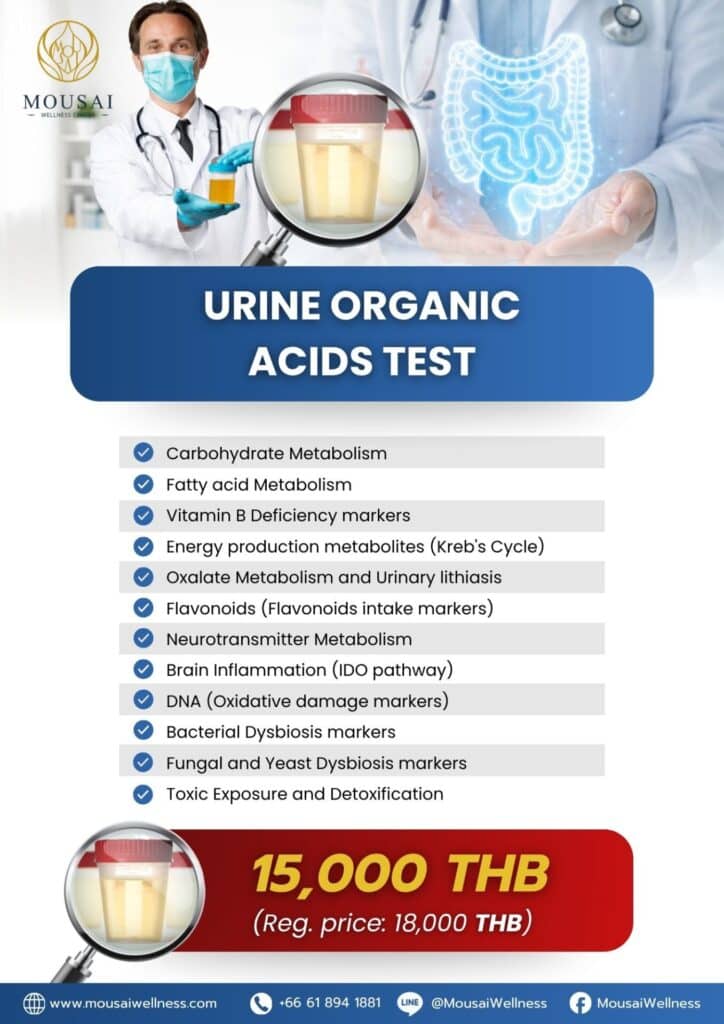
The Urine Organic Acid Test can provide valuable insights into various metabolic and biochemical processes in the body, including:

  1. Carbohydrate Metabolism – Evaluates the body’s ability to convert carbohydrates into energy.
  2. Fatty Acid Metabolism – Measures how effectively fats are broken down and utilized.
  3. B-Vitamin Markers – Detects indicators of B-complex vitamin deficiencies.
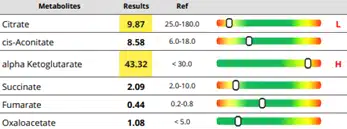
  4. ATP Production (Krebs Cycle Function) – Assesses mitochondrial energy production.
  5. Oxalate Metabolism and Kidney Stone Risk – Identifies imbalances associated with oxalate accumulation.
  6. Flavonoid Metabolism – Measures the body’s ability to process dietary flavonoids.
  7. Neurotransmitter Metabolism – Reviews the balance and efficiency of brain chemical pathways.
  8. Neuroinflammation (IDO Pathway) – Indicates potential inflammatory activity in the brain.
  9. Oxidative Stress and DNA Integrity – Evaluates cellular oxidative damage, including to DNA.
  10. Bacterial Dysbiosis – Identifies imbalances in gut bacterial populations.
  11. Fungal and Yeast Overgrowth – Detects excessive levels of fungal organisms such as Candida.
  12. Toxin Exposure and Detoxification Pathways – Reviews the body’s exposure to environmental toxins and its capacity to process and excrete them.

Clinical Benefits of the Urine Organic Acid Test:

  • Helps diagnose a wide range of conditions, including metabolic disorders, genetic diseases, and chronic illnesses.
  • Assesses neurotransmitter balance, which is related to mental health conditions such as depression and ADHD.
  • Identifies underlying causes of diseases that originate from metabolic imbalances.
  • Supports personalized health planning by providing insights tailored to each individual’s biochemical profile.
  • Improves overall health by addressing imbalances at a cellular level.
  • Reduces the risk of disease by identifying early warning signs and vulnerabilities.
  • Guides dietary and supplement planning, especially with regard to vitamins and minerals the body may lack or need in higher amounts.

Symptoms Related to Organic Acid Imbalance in the Body

Anxiety, attention deficit, poor memory, forgetfulness

Bloating, abdominal discomfort, indigestion, constipation, or abnormal bowel movements

Depression or mood swings

Fatigue or easy exhaustion

Chronic headaches

Sleep disturbances

Acid reflux

Muscle or joint pain

Who Should Consider the Urine Organic Acid Test?

Preparation Instructions for the Urine Organic Acid Test

Morning Urine Sample Collection (at Home):

(The test can use either the first morning urine or a random daytime sample, depending on your doctor’s recommendation.)

The night before urine collection:

On the morning of the test:

  • Women who are menstruating are generally advised to avoid taking the test during their period (subject to a physician’s discretion).
  • Avoid certain foods such as apples, grapes, raisins, pears, and cranberries for at least one day prior to the test.

Urine Organic Acids Testing at MOUSAI WELLNESS CENTER

ศึกษารายละเอียดเพิ่มเติมที่