
PACE OF AGING

Pace of Aging : How Fast Are You Really Aging?
When we talk about aging, most people think about wrinkles, gray hair, or the number of candles on a birthday cake. But in modern preventive and longevity medicine, aging is no longer measured by chronological age alone. What truly matters is how fast your body is aging on the inside, a concept known as the Pace of Aging.
Some people look and feel younger than their age, while others experience early fatigue, chronic inflammation, metabolic problems, or hormonal imbalance much sooner than expected. The reason lies beneath the surface, at the cellular and epigenetic level.
This is where DunedinPACE, a breakthrough epigenetic aging biomarker, comes in.
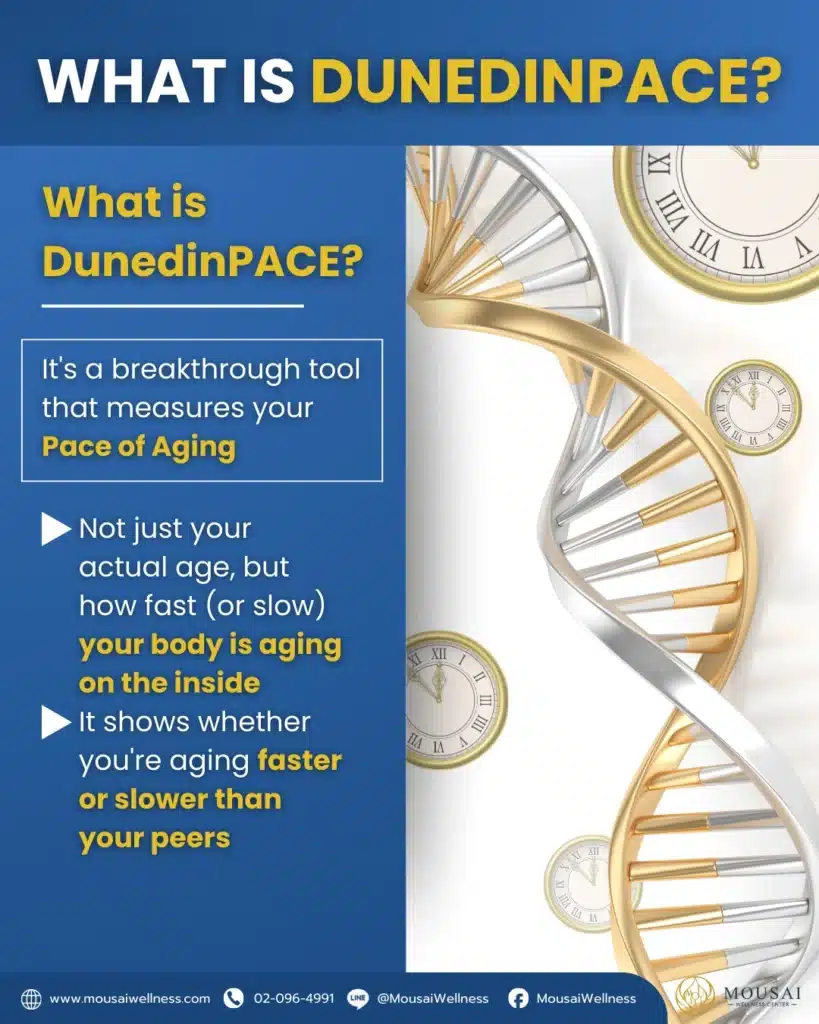
What Is Pace of Aging?
Pace of Aging refers to the speed at which your biological systems deteriorate over time. Unlike chronological age, which moves at the same rate for everyone, biological aging can be slower or faster depending on genetics, lifestyle, stress, nutrition, sleep quality, inflammation, and environmental exposures.
In simple terms:
- Two people can be the same age
- But one may be aging slower and healthier
- While the other is aging faster and at higher risk of disease
Understanding your pace of aging allows doctors to intervene before disease develops, not after symptoms appear.

What Is DunedinPACE?
DunedinPACE is an advanced DNA methylation–based epigenetic clock developed from decades of longitudinal research. Unlike traditional biological age tests, DunedinPACE does not tell you how old you are it tells you how fast you are aging right now.
This makes it a powerful tool in:
- Preventive medicine
- Anti-aging and longevity programs
- Precision and personalized health planning
DunedinPACE measures subtle molecular changes in your DNA that reflect how quickly your body is accumulating biological damage over time.
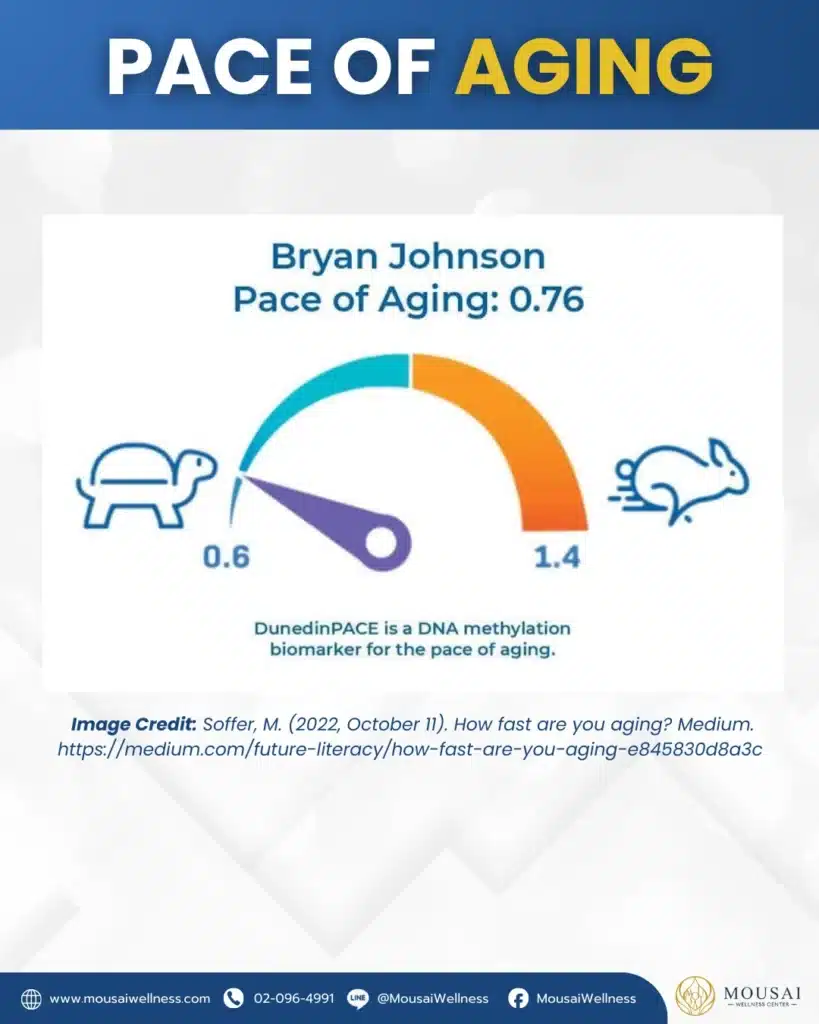
How to Understand Your DunedinPACE Result
DunedinPACE results are expressed as a number:
- 1.0 = aging at a normal rate
(1 biological year per 1 calendar year) - Below 1.0 = aging slower than normal
(healthier, slower aging) - Above 1.0 = aging faster than normal
(accelerated aging, higher long-term risk)
Example:
- A Pace of Aging 0.87
→ Aging 13% slower than average - A Pace of Aging 1.46
→ Aging 46% faster than normal
This insight goes far beyond appearance. It reflects the health of your cardiovascular system, metabolism, immune system, brain, and hormonal balance.
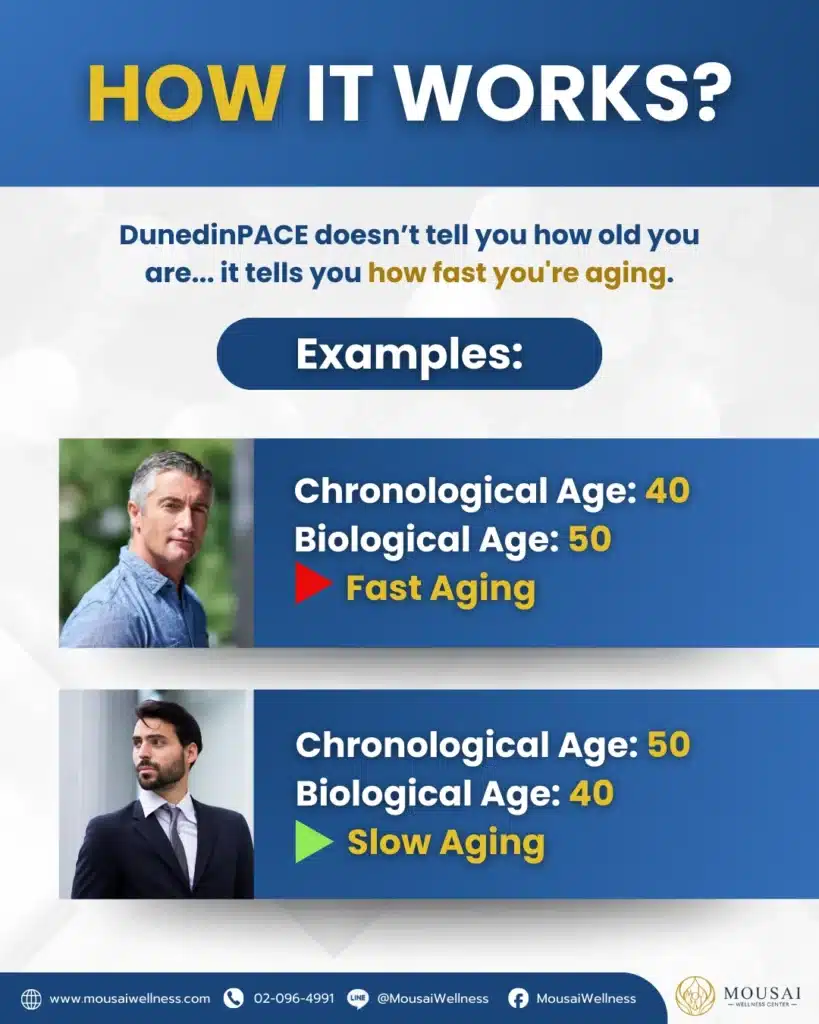
Chronological Age vs Biological Aging Speed
Imagine two individuals:
Person A
- Chronological age: 40
- Biological age: 50
- Result: Fast aging
Person B
- Chronological age: 50
- Biological age: 40
- Result: Slow aging
Both are the same age on paper but their internal aging trajectory is completely different. DunedinPACE helps reveal this difference early, when intervention is still possible.
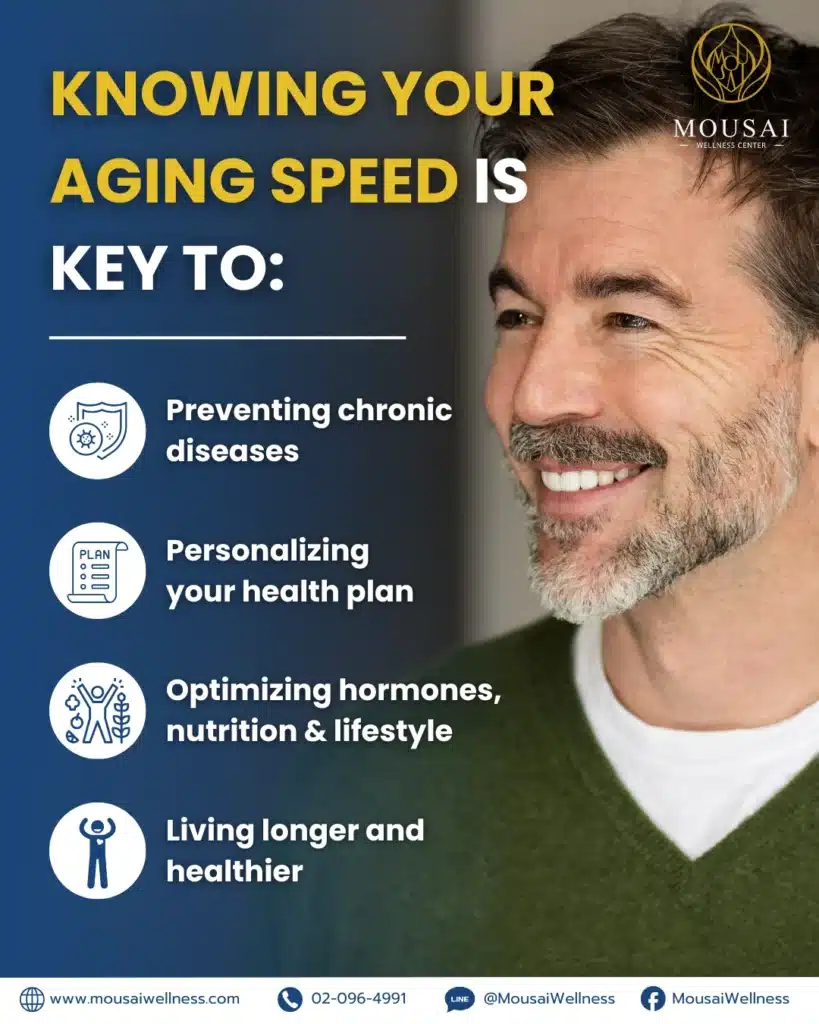
Why Knowing Your Aging Speed Matters
Understanding your pace of aging is key to:
1. Preventing Chronic Diseases
Accelerated aging is linked to higher risk of:
- Cardiovascular disease
- Diabetes and metabolic syndrome
- Neurodegenerative conditions
- Hormonal decline and immune dysfunction
Early detection allows targeted prevention instead of reactive treatment.
2. Personalizing Your Health Plan
Not everyone needs the same supplements, hormones, or lifestyle changes. DunedinPACE helps doctors design precision anti-aging strategies based on your real biological status.
3. Optimizing Hormones, Nutrition, and Lifestyle
Your aging speed is strongly influenced by:
- Chronic inflammation
- Insulin resistance
- Sleep quality
- Stress and cortisol
- Nutrient deficiencies
With the right data, these factors can be corrected strategically.
4. Supporting Longevity and Healthspan
Living longer means little without living healthier. Slowing your pace of aging improves energy, cognitive function, resilience, and quality of life over time.
DunedinPACE and Precision Anti-Aging Medicine
At Mousai Wellness Center, DunedinPACE is integrated into a comprehensive anti-aging check and longevity assessment, combining epigenetics with:
- Advanced blood biomarkers
- Hormonal profiling
- Metabolic and inflammatory markers
- Lifestyle and stress evaluation
This evidence-based approach allows our medical team to:
- Identify silent aging acceleration early
- Monitor the effectiveness of interventions
- Track improvement in biological aging over time
Anti-aging is no longer about guessing it is about measuring, optimizing, and preventing.
Who Should Consider a Pace of Aging Test?
DunedinPACE is ideal for individuals who:
- Feel tired or “older” than their age
- Have chronic stress or inflammation
- Are focused on longevity and prevention
- Want a data-driven anti-aging strategy
- Are interested in biohacking and precision health
Whether you are 30, 40, 50, or beyond, understanding how fast you are aging empowers you to take control of your future health.